The Wellness Gift That Implies a Judgement: Matching Health Items to the Audience in Front of You
Every other corporate gift category can only fail on quality. Wellness is the one category that can fail on meaning — where the item arrives in perfect condition, prints beautifully, costs exactly what was budgeted, and still makes the recipient feel quietly judged.
Consider the step counter. It is a rational, well-intentioned, defensible choice on a wellness shortlist. It is also, when it lands on the desk of a colleague who has not asked anyone’s opinion about how much they move, a small printed statement: we have noticed something about your body, and we would like you to do something about it. Nobody in the approval chain intended that. Everyone in the receiving group hears it.
This article is about the part of wellness gifting that has nothing to do with specification: the tone. It gives you a four-test framework for telling a caring item from a critical one, a matrix for matching items to three completely different audiences — a health screening day, a client or policyholder gift, and an internal staff pack — and the packaging decisions that change an item’s meaning more than the item itself does.
Why only wellness gifts carry an opinion
A branded notebook says nothing about you. A branded umbrella says it might rain. A branded wellness item says something about the recipient’s body, and bodies are the one topic where a well-meaning employer has almost no permission to have an opinion.
The mechanism is simple. A gift implies a use; a use implies a need; a need implies the giver believes that need exists. Harmless when the need is universal — everyone gets caught in the rain. Uncomfortable the instant it is a need some people have and others do not, and doubly so when it is visible to colleagues.
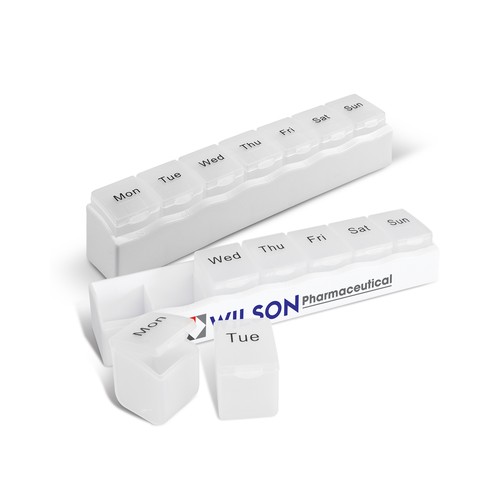
This is why the safest items on any custom health and wellness gifts Malaysia shortlist tend to be the boring ones. A pill box does not accuse anyone of anything; it simply assumes that adults sometimes take things. A poncho assumes it rains. A sanitiser assumes hands exist. The moment an item starts assuming something narrower, you are making a statement on behalf of your organisation.
The four tests: care or criticism
We run every wellness item through four questions before it goes on a proposal. They take about a minute, they need no expertise, and they catch nearly every tone problem before it reaches a mockup.
1. The diagnosis test
Does owning this item imply the recipient has a condition or a shortcoming? A back-support cushion implies a bad back. A weight-tracking item implies a weight. A sanitiser implies nothing at all.
2. The prescription test
Does the item instruct? Anything that comes with a target, a goal, a challenge or a leaderboard has moved from gift to instruction, and instructions from an employer about a private matter are read as pressure however cheerfully they are worded.
3. The measurement test
Does it produce a number about the recipient’s body? Numbers invite comparison, comparison invites ranking, and any item that can be turned into a ranking eventually will be by somebody in a group chat. A measuring item also raises the separate and serious question of who sees the data.
4. The exposure test
Is the item used in front of other people? A private item can carry a personal message safely. A publicly worn or publicly used item broadcasts whatever meaning it carries to everyone in the office, including people who were not given one.
An item that fails one test is usually fine with careful framing. An item that fails three should not be on the list. Here is how common wellness items score.
| Item | Diagnosis | Prescription | Measurement | Exposure | How it reads |
|---|---|---|---|---|---|
| Pill box / medication organiser | Low | Low | None | Low | Practical and neutral. Reads as “we assume you are an adult with a life”, which is the correct assumption. |
| Hand sanitiser | None | None | None | Low | Universally safe. The trade-off is that it is also universally unremarkable. |
| Handheld or neck massager | Low | None | None | Low | Strong. It implies the recipient has been working hard, not that they have been neglecting themselves — the flattering direction. |
| Earplugs in a carry case | None | None | None | None | Quietly excellent for shift workers, travellers and anyone in an open-plan office. Under-used. |
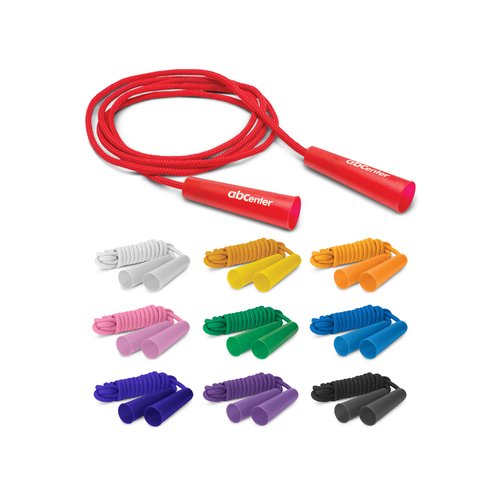
| Wrist sweatband / skipping rope | Low | Medium | None | High | Excellent at a sports day where everyone opted in. Awkward as a desk drop to a whole department. |
| Step counter or activity tracker | Medium | High | High | High | Fails all four. Only works where participation is genuinely voluntary and the data goes nowhere near the employer. |
| Diet-adjacent items (portion sets, slimming aids) | High | High | Medium | Medium | Avoid as a corporate gift. Food and body size are the two most personal topics in any workforce. |
The pattern worth memorising: the items that read best are the ones that assume the recipient is busy, not the ones that assume they are unhealthy. Tiredness is universal and blameless. Health is personal and, in a workplace, faintly accusatory. Choose the item that flatters the first reading.
Reading the room in a Malaysian workplace
A few local realities shift the calculation, and they are the sort of thing that never appears on an international supplier’s tone checklist.
- Timing against the calendar. Anything food-related, portion-related or fitness-challenge-shaped lands differently during the fasting month, and a wellness campaign launched in that window will be read through that lens whether you intended it or not. If a fitness drive is planned, schedule it clear of Ramadan; sanitisers, pill boxes and comfort items are calendar-neutral all year.
- Public visibility in shared offices. Malaysian offices are often densely shared, which raises the exposure score on every item. Anything worn on the body is seen by the whole floor. Anything that sits inside a drawer is seen by one person.
- Who hands it over. The same item means different things from HR, from a direct manager, and from a company-wide distribution point. A manager handing a wellness item to one team member is a conversation. HR issuing the same item to everybody is a policy. Choose the distribution route before you choose the item.
- Modesty and fit. Anything sized to the body — activewear, compression items, anything requiring a measurement — introduces a fitting conversation that many recipients would rather not have at work. One-size items sidestep it completely.
- Household use. Many recipients take the item home to a multi-generational household. Items that suit a parent or grandparent — a weekly medication organiser, a poncho, a torch — get a second life the giver never sees.
Three audiences, three different right answers
Buyers often use one wellness shortlist for every occasion. That is where the tone problems come from, because the same object carries a different meaning depending on what the recipient was doing five minutes before they received it.
| Occasion | What the recipient is feeling | What the gift must not do | Choices that work |
|---|---|---|---|
| Health screening day | Mildly anxious. They have just been measured, possibly told something they did not enjoy hearing, and they are standing in a queue with colleagues. | Continue the assessment. This is the worst possible moment for anything that measures, targets or advises. | Comfort and neutrality: a massager, a pill box, earplugs, a sanitiser. The gift should feel like the end of the appointment, not homework from it. |
| Insurance or clinic client gift | Transactional but relationship-minded. Health is literally the product being discussed, so the gift is read as part of the proposition. | Imply risk, illness or mortality. And it must never carry a claim about protection or outcomes. | Household-useful items with a long life: medication organisers, emergency ponchos, a well-made kit pouch. Practical, family-facing, quietly reassuring. |
| Staff wellbeing pack | Alert to subtext. Internal audiences read every company gift as a signal about how they are seen and what is expected of them. | Substitute for a fix. A wellness pack handed to an overloaded team lands as a shrug unless the workload issue is addressed alongside it. | Rest-coded rather than performance-coded items, ideally with a choice between two or three options so the recipient makes the decision. |
The insurance and clinic row deserves an extra note, because it is the one where the tone question and the compliance question collide. An insurance corporate gift Malaysia policyholders keep works precisely because it is silent about outcomes — the moment marketing copy is added to the item, you are in a different conversation entirely, which is why it is worth reading up on the compliance questions behind health-claim packaging before the artwork goes to print.
The card changes the meaning more than the item does
Two identical massagers, two different insert cards, two completely different gifts. This is the cheapest lever in wellness gifting and the one most often left to whoever is writing the artwork brief at five o’clock.
| Wording that reads as criticism | Wording that reads as care |
|---|---|
| “Time to take better care of yourself.” | “Thank you for a demanding quarter. This one is for the evenings.” |
| “Your health is your responsibility.” | “Keep this in the car. We hope you never need it.” |
| “Join the challenge — let’s hit our target together!” | “Join us if you’d like to. No sign-up sheet, no scoreboard.” |
| Any sentence containing “should”, “must” or a number. | Any sentence in which the company is the one doing something, not the recipient. |
Three further packaging decisions carry disproportionate weight. Give people a choice between two or three items where the budget allows, because a choice converts a judgement into an offer. Distribute in a way that does not create a visible have and have-not split on the floor. And keep the branding on the pouch, the box or the card rather than dominating the item itself — a discreetly branded object is one a recipient will still use in a year, which is the only measure of a wellness gift that matters. If your kit includes dressings or consumables, pair that thinking with the contents table for a giveaway first aid kit so the practical side is as considered as the tone.
The one question to ask before you approve
If a recipient told a colleague what they had been given, and the colleague laughed, what would the joke be? If you can hear the joke clearly, the item is wrong. If you cannot construct one, you have chosen well.
It is crude and remarkably reliable, because the joke is the subtext made audible. Nobody jokes about being given a pill box. Everyone can immediately write the joke about being given a step counter by their employer.
One last practical note, because tone and logistics are connected: if you order a large quantity of an item purely because it was efficient, you will be handing out the same slightly-wrong item for years, long after the campaign that justified it has ended. That is a tone problem created by a purchasing decision, and it is worth understanding why bulk-buying wellness stock a year ahead backfires before you commit.
Frequently asked questions
Are fitness items always a bad idea for staff?
No — they are a bad idea as an unsolicited desk drop. They are an excellent idea when the recipient has opted in: a sports day, a running event, a club, a sign-up. Opting in removes the diagnosis and prescription problems entirely, because the recipient has already declared the interest themselves.
What is the safest wellness gift for a mixed workforce?
Items that assume a busy life rather than a health problem, and that work equally well at home: a pill box or medication organiser, earplugs in a case, an emergency poncho, a compact massager. All are one-size, none require a fitting, and none imply anything about the recipient.
Should we let staff choose their own item?
Where the budget and the logistics allow, yes — a shortlist of two or three is usually enough. Choice removes the implied judgement, raises the proportion of items that actually get used, and costs you only a slightly more complex packing instruction. Tell your supplier at briefing stage so the split can be built into the production plan rather than sorted at the last minute.
How much should we brand a wellness item?
Less than you would brand a tote bag. Wellness items are used in private and often at home, so a discreet logo on the pouch or case is more likely to survive in daily use than a large print across the item. A gift that is quietly kept for two years does more for you than a loud one abandoned in a drawer.
What if leadership insists on a tracker or a challenge?
Make participation genuinely optional, make sure no personal data reaches the employer, and separate the gift from the programme — hand the neutral item to everyone and let the challenge be a separate sign-up. That way nobody who declines is holding a visible reminder that they declined.
Tell us who is receiving it, not just what you want to buy
Give us the audience, the occasion and who is handing it over, and we will come back with a shortlist that passes all four tone tests — plus mockups, print areas and a realistic date. If the item you have in mind fails the tests, we will say so and offer two that do not. Minimum order from 300 pcs, production 21–45 days after artwork approval plus around 15 days shipping, express 10 working days on limited items. Quote-only pricing, SST invoicing, ePerolehan-ready.
Start here and choose a custom massager corporate gift that reads as care rather than as a comment.
WhatsApp +60 10 717 5924 · Send your brief
Aquaholic Gifts Malaysia · AS80, Jalan Hang Tuah 4, Taman Salak Selatan, 57100 Kuala Lumpur · Mon–Fri, 9:00am–5:00pm